The Islamic Golden Age: How a Forgotten Era Built the Foundations of the Modern World
Introduction
Modern life depends on systems we often take for granted: hospitals that provide organized care, universities that structure education, and scientific methods that guide discovery.
But many of these systems did not suddenly appear in recent centuries.
Between the 8th and 14th centuries, a vast intellectual movement—often referred to as the Islamic Golden Age—produced major advances in medicine, mathematics, education, and scientific thinking. These developments influenced regions far beyond their place of origin .
And yet today… their names are whispers.
Their achievements are footnotes.
Their legacy—often ignored.
yet they are often underrepresented in mainstream historical narratives.
This is the story of a civilization that built the foundations of the modern world… and then slowly disappeared from mainstream memory.
A Global Center of Knowledge in Baghdad
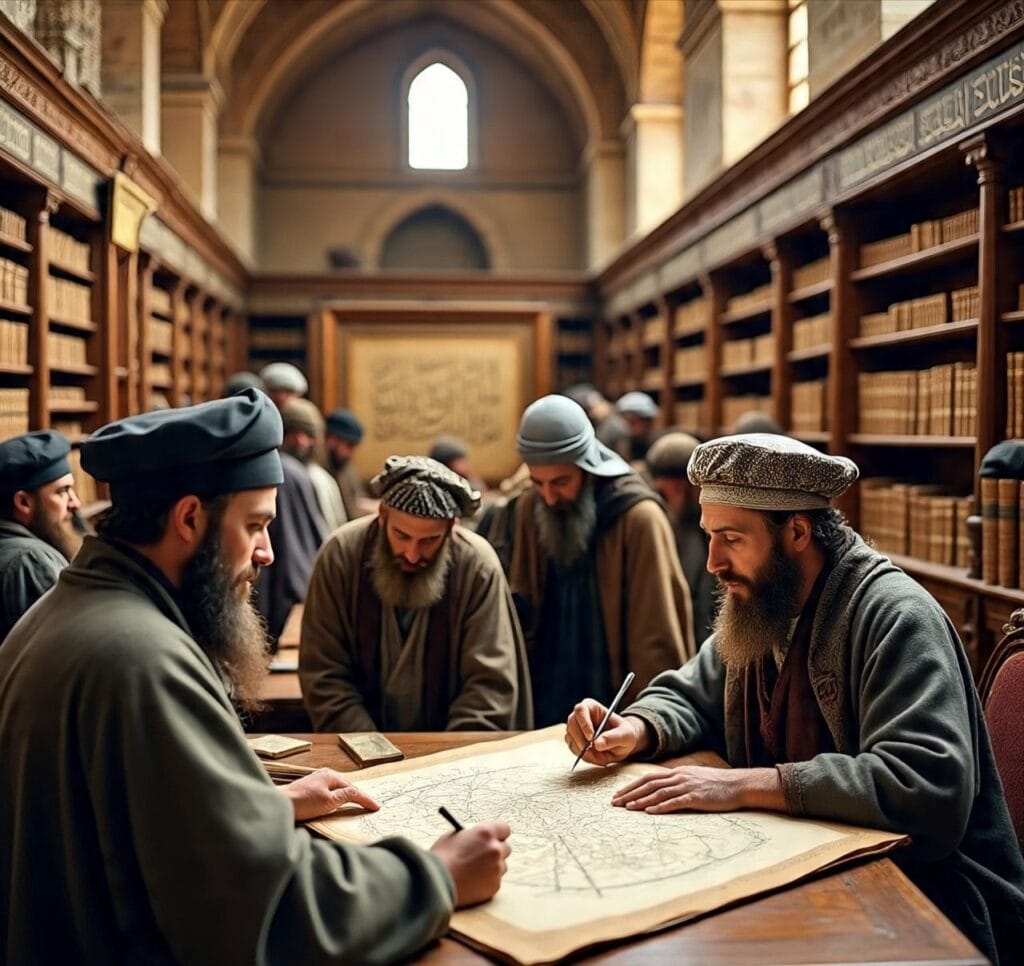
At the heart of this intellectual movement was Baghdad, then one of the world’s most important cities.
A key institution was the House of Wisdom, established during the Abbasid Caliphate. It functioned as a center for scholarship, translation, and research.
Scholars there worked to translate texts from Greek, Sanskrit, and Persian into Arabic. But the effort went beyond preservation. Many thinkers expanded on earlier ideas, corrected inaccuracies, and introduced new theories.
This environment encouraged collaboration across cultures and disciplines—something that would later influence intellectual developments in Europe.
The Development of Scientific Thinking
One of the most significant contributions of this period was the advancement of systematic scientific inquiry.
The scholar Ibn al-Haytham played a key role in this shift. His work in optics challenged long-standing assumptions about vision and emphasized experimentation and observation.
Rather than relying solely on inherited knowledge, he promoted a method that involved:
- Testing hypotheses
- Repeating experiments
- Drawing conclusions based on evidence
This approach resembles what is now known as the scientific method, a cornerstone of modern science.
Advances in Medicine and Healthcare
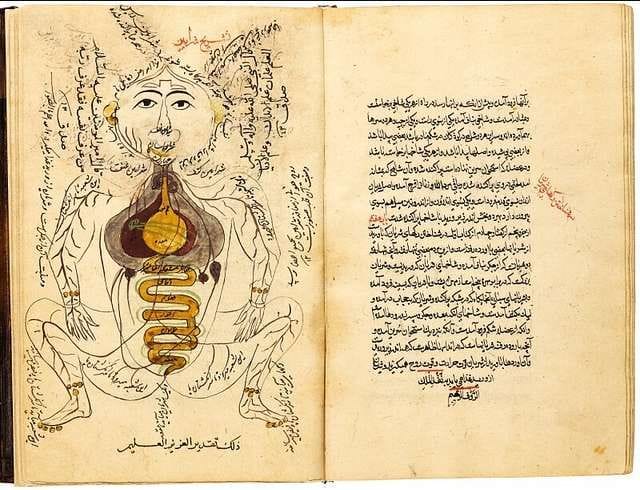
Medical knowledge also progressed significantly during this time.
Hospitals, known as Bimaristans, were established in major cities. These institutions offered organized care, including:
- Specialized wards for different conditions
- Trained medical staff
- Access to treatment regardless of social status
The physician Ibn Sina authored The Canon of Medicine, a comprehensive medical text that was used for centuries in both the Islamic world and Europe.
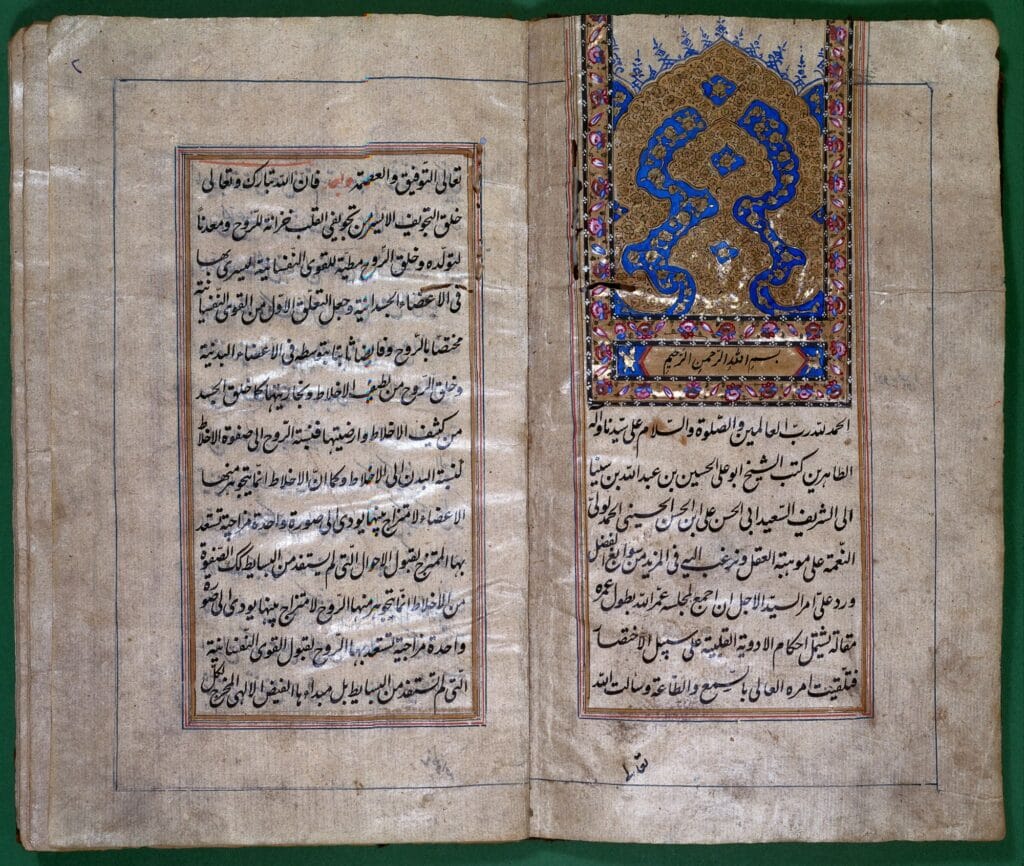
Another influential figure, Al-Razi, made important clinical observations, including distinguishing between smallpox and measles—an advancement that improved diagnosis and treatment.
Surgical Innovation
Surgery also developed into a more structured discipline.
The physician Al-Zahrawi is known for compiling detailed descriptions of surgical procedures and instruments. His work included illustrations and explanations that were used as references in later medical traditions.
These contributions helped establish surgery as a formal field within medicine.
Mathematics and the Foundations of Modern Technology
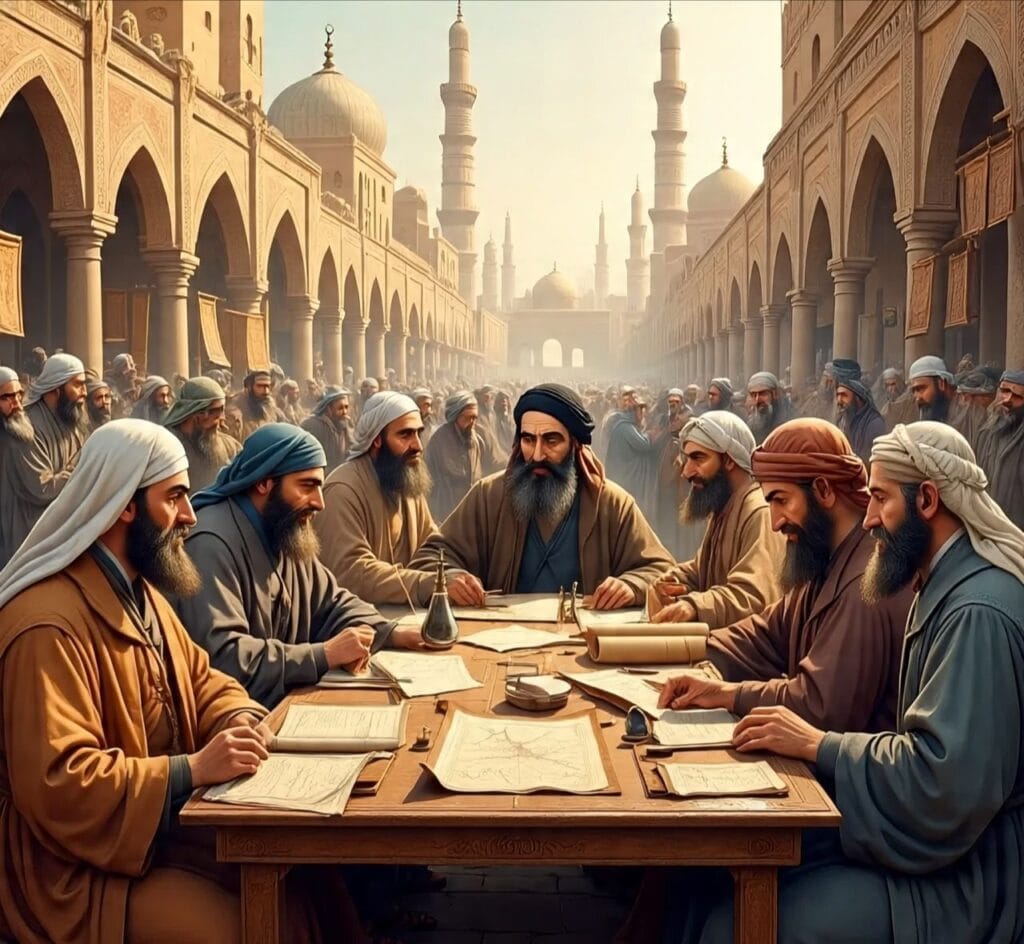
Mathematics saw major developments during this period, particularly through the work of Al-Khwarizmi.
He introduced systematic methods for solving equations, which formed the basis of algebra. His work also contributed to the spread of the Hindu-Arabic numeral system, including the concept of zero.
The term “algorithm” is derived from his name, reflecting the lasting impact of his work on mathematics and, eventually, computer science.
Early Universities and Structured Education
Formal education systems were also established during this era.
The University of al-Qarawiyyin, founded in the 9th century, is often recognized as one of the oldest continuously operating educational institutions in the world.
Students studied a range of subjects, including law, theology, mathematics, and astronomy. Teaching methods and academic organization during this time influenced later educational models.
A Network of Knowledge Exchange
The intellectual achievements of this period were made possible by a broad exchange of ideas across regions.
Scholars engaged with knowledge from:
- Ancient Greece
- India
- Persia
These influences were not simply adopted but integrated and expanded upon, creating new developments in multiple fields.
This interconnected approach contributed to a more global understanding of knowledge.
The Decline of Intellectual Centers
By the mid-13th century, several factors contributed to the decline of these intellectual centers.
One major event was the Mongol invasion of Baghdad in 1258, which resulted in widespread destruction, including damage to libraries and institutions such as the House of Wisdom.
Over time, political instability and shifting economic conditions also affected the continuity of scholarly work in the region.
Transmission of Knowledge to Europe
Despite this decline, many ideas developed during this period were transmitted to Europe through translations into Latin.
These works influenced European scholars and contributed to developments during the Renaissance.
While these contributions are recognized in academic circles, they are not always emphasized in broader historical discussions.
Why the Contributions Are Often Overlooked

There are several reasons why this period is sometimes underrepresented in mainstream narratives:
- Historical focus on European developments
- Changes in political and cultural influence over time
- Limited awareness outside academic contexts
Modern scholarship, however, increasingly acknowledges the global nature of scientific and intellectual progress.
A Lasting Legacy
Today, many systems and ideas that originated or developed during this period remain central to daily life:
- Evidence-based scientific methods
- Structured medical practice
- Mathematical frameworks used in technology
- Institutional education models
These contributions continue to influence modern society in significant ways.
Conclusion
The period often referred to as the Islamic Golden Age represents one of the most significant chapters in that story.
The history of science and knowledge is not confined to a single region or culture. It is the result of contributions from many civilizations across time.
Understanding its contributions provides a more complete view of how modern systems developed—and highlights the importance of recognizing knowledge as a shared human achievement.
Related: https://tinselisland.com/martyrdom-of-millions-books-during-the-crusades/
